How the Paver Installation Process Works Step-by-Step
People searching for how the paver installation process works step-by-step often want to understand the typical stages involved, and local contractors can assist by expertly handling each phase of the project.
Understanding how the paver installation process works step-by-step can be a valuable resource for property owners considering this type of upgrade. Whether planning a new patio, walkway, or driveway, knowing what to expect helps ensure the project runs smoothly and meets expectations. Property owners in the area often explore this topic to gain practical insights into the typical stages involved, so they can better prepare and collaborate with local contractors who specialize in paver installation services.
As you continue reading, you'll discover that experienced local service providers have the skills and knowledge to handle each phase of the process efficiently. From site preparation and base installation to the precise laying of pavers and finishing touches, these professionals can guide property owners through every step. Exploring this topic can help you make informed decisions and find the right local experts to bring your project to life with quality craftsmanship and attention to detail.
- Paver installation services - when homeowners want to create durable and attractive outdoor surfaces, local contractors assess the site and prepare the area for installation.
- Foundation preparation - for projects requiring a stable base, local pros excavate and level the ground to ensure proper paver placement.
- Paver laying and pattern design - when a specific look or pattern is desired, service providers carefully lay pavers according to the chosen design.
- Joint filling and compaction - after placing the pavers, local contractors fill joints and compact the surface for stability and longevity.
- Surface finishing and clean-up - for a polished final look, pros perform finishing touches and clear the work area to complete the installation process.
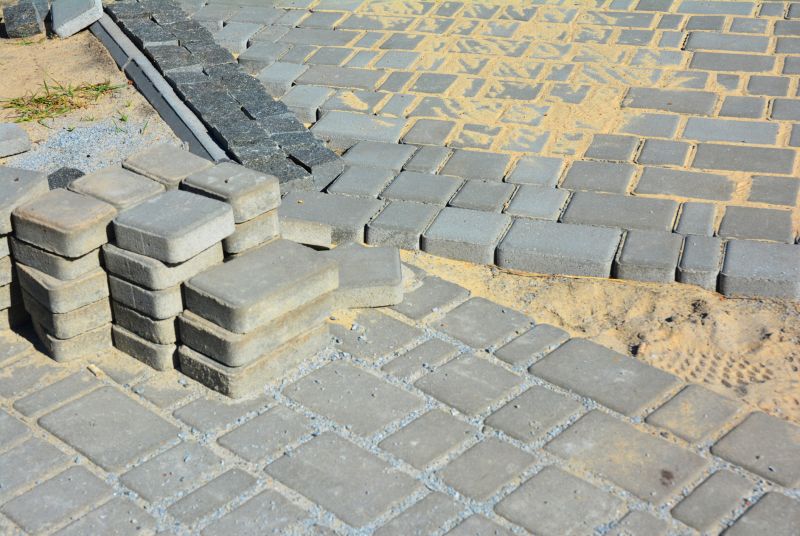
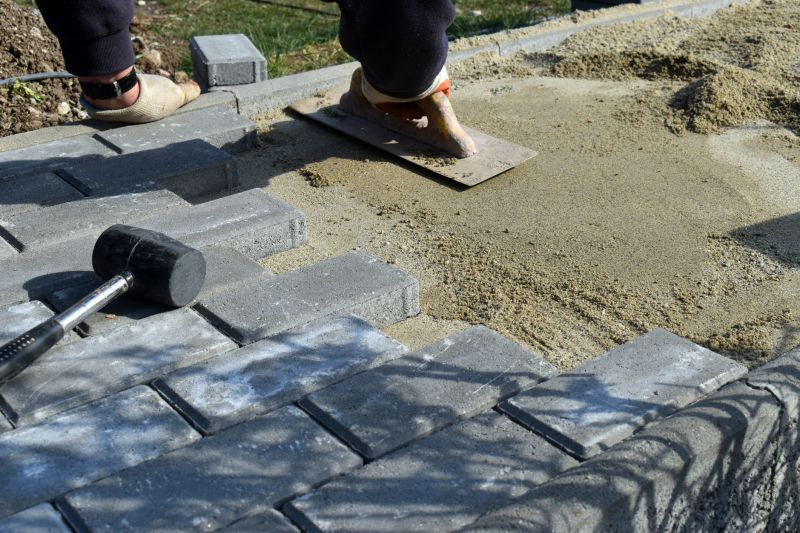
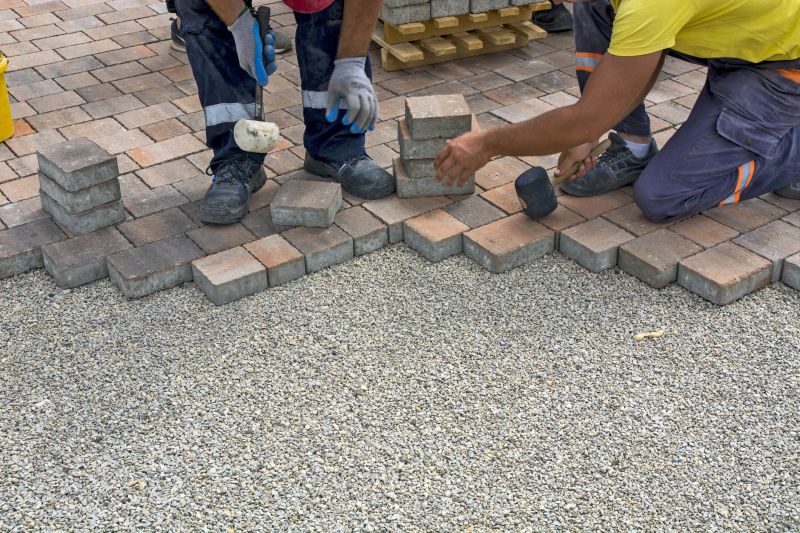
When homeowners search for how the paver installation process works step-by-step, they are often seeking a clear understanding of what to expect when planning a new paved surface. This topic relates to projects such as creating driveway upgrades, patio enhancements, walkways, or outdoor living spaces. Many property owners want to know about the sequence of tasks involved, from initial site preparation to the final finishing touches. Understanding this process helps them coordinate with local contractors, plan their projects effectively, and ensure the work aligns with their property’s needs and aesthetic preferences.
The process usually begins with a consultation to assess the site and discuss design options. Once a plan is agreed upon, the area is cleared and measured to determine the scope of work. The next step involves excavating the existing surface to create a stable foundation. This is followed by installing a base layer of gravel or crushed stone, which provides drainage and stability. After the base is compacted, a sand layer is added to create a smooth surface for the pavers. Local service providers then lay the pavers in the chosen pattern, making sure they are level and properly aligned. Finally, joint sand is swept into the gaps, and the entire surface is compacted again to ensure durability.
Different types of properties typically come up in discussions about paver installation, including residential homes, commercial properties, and public spaces. Residential properties often feature driveways, patios, or backyard pathways, while commercial sites may require larger-scale installations like parking lots or outdoor plazas. The terrain and existing landscape influence the process, with some properties needing additional grading or drainage solutions. Local contractors are experienced in handling these variations, ensuring that each project is tailored to the property’s specific conditions and intended use.
For homeowners considering a paver project, understanding how the installation process works step-by-step can clarify what is involved and how local service providers fit into the picture. These professionals handle everything from initial site prep to final installation, making sure each stage is completed properly. They bring expertise in working with different property types and addressing unique challenges, such as uneven terrain or space constraints. By connecting with local pros, property owners can find the right team to execute their vision, ensuring the finished surface is both functional and visually appealing for years to come.
Concrete Paving Projects - local contractors experienced in concrete paving share skills in preparing surfaces and laying materials similar to paver installation steps.
Patio and Deck Construction - these projects require planning, site preparation, and precise placement, paralleling the techniques used in paver installation.
Driveway Resurfacing - involves surface preparation and material spreading that align with the process of installing paver surfaces.
Landscape Hardscaping - encompasses the creation of walkways and retaining walls, utilizing planning and material handling skills relevant to paver projects.
Stone Masonry - requires understanding of materials and layering techniques similar to those used in paver installation processes.
Outdoor Flooring Installation - includes preparing substrates and laying durable surfaces, closely related to the steps involved in paver installation services.
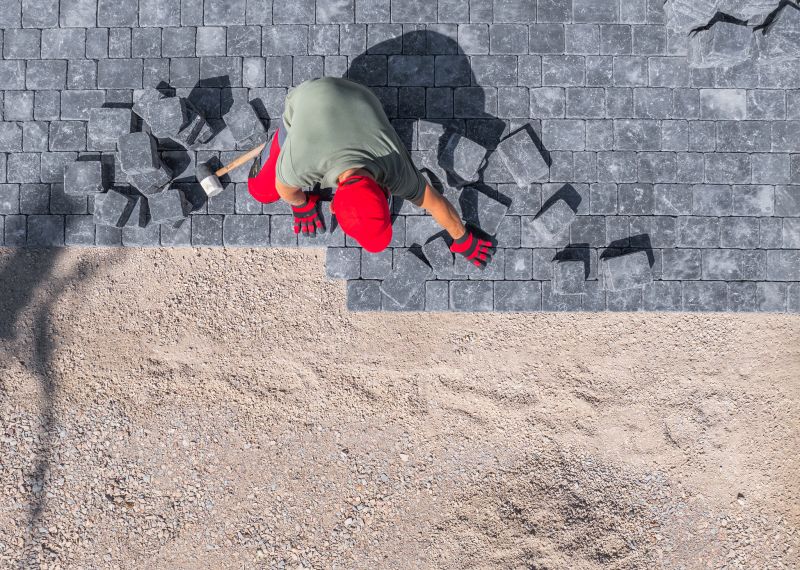
When comparing service providers for paver installation, it’s important to consider their experience with similar projects. Homeowners should look for local contractors who have a proven track record of completing paver installations comparable in scope and style. An experienced professional will be familiar with the common challenges and best practices involved in the process, which can help ensure a smoother project flow and a final result that meets expectations. Asking for examples of past work or references related to similar installations can provide insight into their familiarity with the specific steps involved in the paver installation process.
Clear written expectations are essential when evaluating potential service providers. A reputable contractor should be able to explain the steps involved in the paver installation process in straightforward terms, outlining what the homeowner can expect at each stage. This transparency helps prevent misunderstandings and ensures that both parties are aligned on the scope and sequence of work. Homeowners should seek providers who are willing to provide detailed descriptions of their approach, including preparation, installation, and finishing, to help them feel confident in the contractor’s understanding of how the process unfolds.
Good communication and reputable references are key indicators of a reliable service provider. Homeowners should inquire about how the contractor communicates throughout the project, including how questions or concerns are addressed and how updates are provided. Additionally, asking for references from previous clients who had similar work done can offer valuable insight into the contractor’s professionalism, reliability, and ability to deliver quality results. Choosing local pros with positive feedback and a reputation for clear communication can make the process of understanding and navigating the paver installation steps much more straightforward and stress-free.
Property owners often search for how the paver installation process works step-by-step when they are planning practical projects around their homes and businesses. Local pros provide Paver Installation Process services for everyday jobs and straightforward project options.
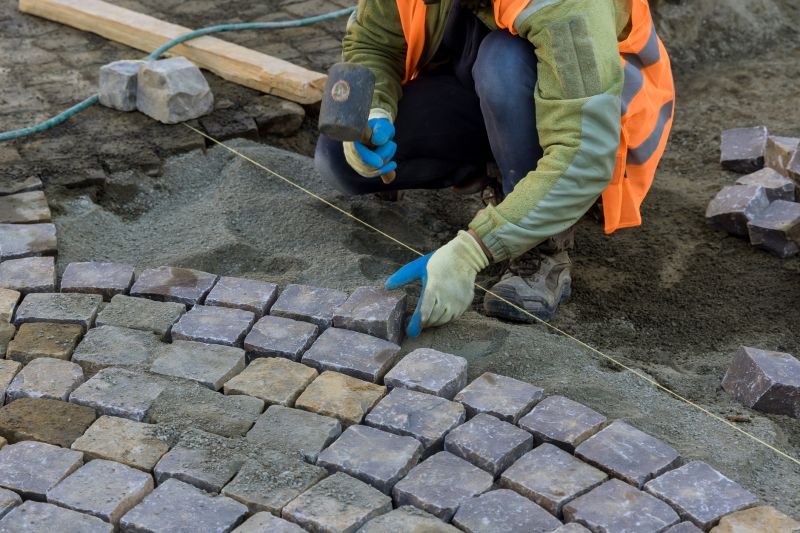
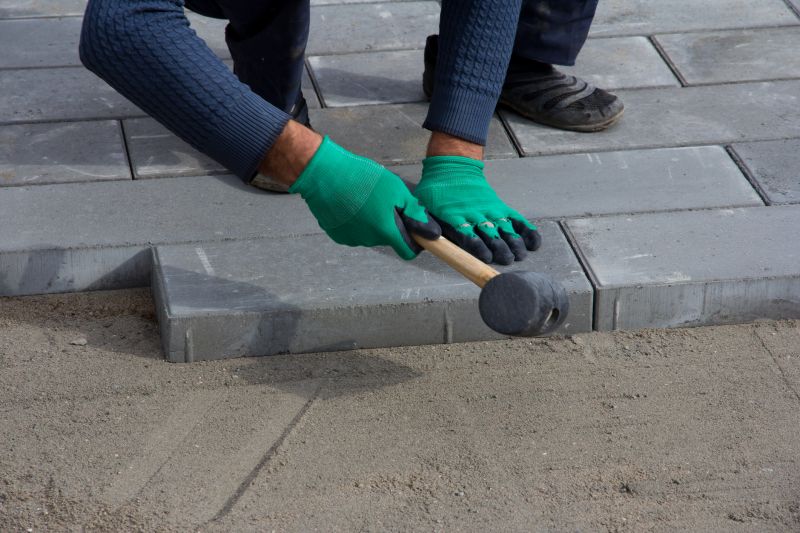
Understanding how the paver installation process works step-by-step can help property owners plan for projects like creating a new driveway, patio, or walkway. Typically, local contractors start by preparing the site, which involves clearing the area and ensuring a stable base. They then lay down a foundation of gravel or sand to provide proper drainage and support for the pavers. Once the base is in place, the pavers are carefully laid out in the desired pattern or design, ensuring even spacing and alignment. The process concludes with the setting of joint sand between the pavers and compacting everything to create a durable, finished surface that enhances the property's appearance and functionality.
Many property owners in the area turn to local service providers when considering paver installation to ensure the project is handled efficiently and professionally. These contractors are experienced in managing each step of the process, from site preparation to final finishing touches. Engaging with local pros can help ensure the work is completed correctly, with attention to detail that results in a long-lasting and attractive paved surface. Whether for a small patio or a large driveway, connecting with local contractors who understand the local conditions and requirements can make the entire process smoother and more straightforward.
What are the main steps involved in the paver installation process? The process typically includes site preparation, excavation, base installation, paver placement, and finishing touches. Local contractors can guide through each step to ensure proper installation and durability.
How do local service providers prepare the site for paver installation? They assess the area, remove existing materials, and level the ground to create a stable foundation. Proper site prep is essential for a long-lasting paver surface.
What role do local contractors play during the paver installation process? They handle all phases, from preparing the site and installing the base to laying the pavers and completing the final adjustments, ensuring quality workmanship.
What materials are typically used during paver installation? Common materials include crushed stone or gravel for the base, bedding sand, and the pavers themselves. Local pros select the right materials based on the project needs.
How is the finished surface secured and protected after installation? Contractors often compact the pavers, add joint sand, and perform finishing touches to stabilize the surface and prevent shifting or settling over time.
Preparing the Site - Property owners can work with local contractors to clear the area and ensure a level foundation for paver installation.
Designing the Layout - Homeowners might choose patterns and arrangements that complement their outdoor space, with guidance from local pros.
Installing the Base - Local service providers can handle the excavation and base layer to provide a stable surface for the pavers.
Placing and Finishing Pavers - Property owners can oversee the placement of pavers and work with contractors to add joint sand and edge restraints.
If you are thinking about how the paver installation process works step-by-step for a property, this guide is meant to help you understand this topic, the typical project types, and how different options might fit your plans.
When you are ready, you can use the quote form on this page to share a few details about your project. From there, local pros can review the basics and follow up with options that match what you have in mind.